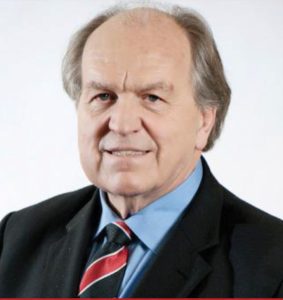
Patrick Pat Aldous
Patrick Aldous
Patrick Alan “Pat” Aldous (March 12, 1943 – February 14, 2023) was a prominent Canadian player, administrator and long-time champion of rugby. Born in North Vancouver, Aldous played club rugby (notably for the Kats RFC and regional BC sides) and captained Canada in matches during the early 1970s. He transitioned into governance and senior leadership, serving as a Rugby Canada Board member, Vice-Chair and Chair, and as Canada’s representative on multi-sport bodies including the Canadian Olympic Committee for rugby matters.
During his tenure, Aldous actively supported the growth of both the fifteens and sevens programs and helped develop infrastructure and high-performance programming (including ongoing involvement with the Canada Sevens). Rugby Canada and local obituaries emphasize Aldous’s business acumen, global support for Canadian teams (he often traveled to support Canada’s sides), and his role in bringing administrative professionalism to the sport in Canada. He passed away in February 2023; Rugby Canada’s tribute and funeral notices summarize a life devoted to elevating the game in Canada at club, provincial and national levels.
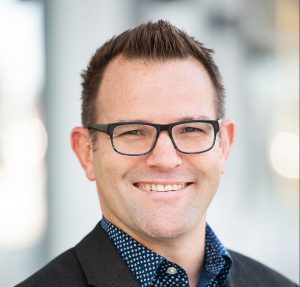
Steven Batie
Steven Batie Award Fund

Steven Batie
A graduate who found his rugby home at the Burnaby Lake Rugby Club, Steven gave 15 years to the club as a player at every level, and just as importantly, as a coach, mentor, and fitness trainer — volunteering his expertise to support players working toward representative selection. It was at Burnaby Lake that he met his wife Jean, and the club became a home for his entire family.
Steven's talent and dedication also earned him a place on some of BC's finest representative sides. He was a valued member of the Mid Island Tsunami and BC at all levels, including a starting role in the BC Bears' celebrated 2014 victory over the Uruguayan Men's National Team. He also represented Canada at the U21 Men's Rugby World Cup — a testament to the calibre of player and competitor he was.
In 2021, Steven's family honoured his 25 years of service to the game by establishing the Steven Batie Memorial Award Fund through the Foundation — ensuring that the clubs and communities he loved will continue to grow and thrive in his name.
Steven's family also asks that we honour his legacy in a deeper way: by being kind — to ourselves, our teammates, our friends, and even strangers — for everyone we meet may be fighting a battle we know nothing about.
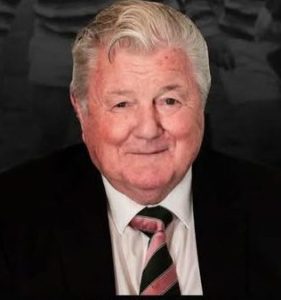
Noel Browne
Noel Browne
Noel Browne is recognized for his meaningful contributions to the advancement of rugby in Canada through leadership, mentorship, and sustained community engagement. His involvement has supported the development of players, coaches, and volunteers across club, university, and regional programs.
Noel’s efforts have focused on strengthening organizational foundations and promoting access to rugby at all stages of development. Through collaborative leadership and a commitment to excellence, he has helped foster environments where participation, growth, and community connection can thrive.
Noel Browne’s work continues to shape resilient and connected rugby communities, reflecting a lasting commitment to the future of Canadian rugby.

Tillman Briggs
Jack Patrick & Nick Mathers & Tillman Briggs Family Awards Fund (James Bay Athletic Association)
Tillman Briggs
Tillman’s involvement in rugby exemplified the belief that sport can be a powerful force for personal development and community connection, with his support helping to widen opportunities for young players.
The family award fund continues to uphold the values they championed — leadership, sportsmanship, and contribution both on and off the field.
David Burnett
David Burnett Memorial Scholarship Fund
David Burnett
David Burnett was born in Gloucester, England and emigrated to Canada in the early 1970s, settling in Montreal where he played for the Town of Mount Royal Rugby Club and earned Canada East honours as a tenacious scrumhalf. After moving to Ontario, David played and coached across the province, most notably with the Burlington Centaurs, whom he led to Senior A promotion in 1989, and with the Niagara Rugby Union, where he began a long representative coaching career.
Beyond the pitch, David served as President of the Centaurs, chaired the Niagara Thunder, and later became President of the Rugby Canada Super League. He remained deeply committed to elite and junior rugby in the Niagara region, managing provincial and national-level teams and serving as Secretary of the Eastern Canada Junior Rugby Championship until his passing in 2011.
David also devoted over 20 years as a referee, supported high school rugby across Halton and Niagara, and coached at Waterdown District High School. Inducted into the Rugby Ontario Hall of Fame in 2013, David’s enduring legacy lies not in his résumé, but in the players, coaches, and administrators he mentored and inspired to grow the game.

John Cannon
John Cannon
John Cannon is honoured for his enduring commitment to the growth and stewardship of rugby in Canada, marked by leadership, mentorship, and dedicated community service. Through sustained involvement at the club and regional levels, John has supported the development of players, coaches, officials, and volunteers, helping strengthen rugby’s foundations across diverse communities.
Over the course of his service, John has contributed to organizational leadership and grassroots initiatives that promote participation, skill development, and long-term program sustainability. His efforts have emphasized building inclusive, values-driven environments where athletes and volunteers alike can thrive.
John ’s impact is reflected in the resilient programs and connected rugby communities he has helped build. His work continues to advance the mission of fostering opportunity, leadership, and lasting support for Canadian rugby.

Dennis Crawford
Dennis Crawford
Dennis Crawford is recognized for his meaningful contributions to Canadian rugby through leadership, mentorship, and a strong commitment to community development. His involvement has supported the advancement of players and volunteers across club and regional programs, reinforcing rugby’s role as both a competitive sport and a platform for connection.
Dennis’s efforts have focused on strengthening organizational capacity and promoting access to rugby for participants at all stages of development. Through collaborative leadership and sustained service, he has helped foster environments where participation, growth, and sportsmanship flourish.
Dennis Crawford’s contributions continue to shape strong, inclusive rugby communities, reflecting a belief in sport as a powerful force for leadership, character, and long-term impact.

Valerie Creighton
Valerie Creighton
Valerie Creighton is honoured for her meaningful contributions to Canadian rugby through leadership, mentorship, and dedicated community involvement. Her service has supported the development of players, coaches, officials, and volunteers across club and regional programs.
Valerie’s efforts have focused on promoting inclusive participation and strengthening organizational practices within local rugby communities. Through collaborative leadership and sustained engagement, she has helped foster welcoming environments where athletes and volunteers alike can thrive.
Valerie Creighton’s work continues to shape strong, connected rugby communities, reflecting a belief in sport as a powerful platform for leadership, inclusion, and long-term community impact.
Francis Frank Deacy
Deacy, Browne, Parfrey Fund
Frank Deacy
Francis “Frank” Deacy (b. Galway, Ireland — d. November 9 2008) was a foundational figure in rugby development in Newfoundland and Labrador. He arrived in the province in 1971 and soon co-founded the first Newfoundland & Labrador provincial rugby team which competed in the Montreal 7s and in national 15-a-side championships.
As a player he had earlier significant experience in Ireland, and in Newfoundland he played, refereed, coached and administered the game — notably founding the Baymen’s Rugby Club, helping establish women’s rugby locally, and contributing at provincial and national union levels.
He passed away on Sunday, November 9 2008, at the age of 63.
Francis “Frank” John Deacy (b. May 25, 1945 – d. November 9, 2008) was a key builder of rugby in Newfoundland & Labrador. He was born in Galway, Ireland, and moved to Newfoundland in 1971, where he co-founded the first provincial team of Newfoundland & Labrador. He played as a scrum-half in Ireland and continued his involvement in Canada by playing, coaching, refereeing, and administering rugby. Among his achievements, he founded the Baymen’s Rugby Club, launched women’s rugby locally, helped establish the high-school inter-city league for girls and boys, and was a founding member of the Newfoundland & Labrador Rugby Union. Following his passing at age 63, the Canadian Rugby Foundation (CRF) established the “Deacy, Browne, Parfrey Fund” in his honour.

Dick Ellis
Dick Ellis

Don Ennis
Don Ennis
Dennis Fletcher
Dennis Fletcher

Liam Geddes
Liam Geddes
A varsity athlete with the Queen's Men's Rugby Program, Liam helped the Gaels achieve gold medals at the OUA finals in 2018 and 2019, and silver in 2021. He represented Queen's at the Canadian University Men's Rugby Championship in 2018 in Victoria, 2019 in Montreal, and most recently in Kingston in 2021 — competing at the national level across his entire university career.
Liam was known by all for having a kind heart, quick wit, and keen intellect. He was ever humble, and known for giving the greatest bear hugs to anyone he was with. He was as beloved off the pitch as he was respected on it.
Liam had registered as an organ donor of his own accord several years before his passing. Through his gift of organ donation, he was able to profoundly impact the lives of four organ recipient families.
The Liam Geddes Memorial Award Fund was established in October 2022 through the Foundation, and the award bearing his name is presented annually to the outstanding back row player at the Canadian University Men's Rugby Championship — a fitting tribute to a player who embodied exactly that combination of grit, skill, and generosity that the back row demands.
For the Foundation and the broader university rugby community, Liam Geddes is a reminder that the game is about far more than what happens on the pitch.

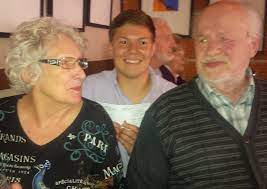
Marina and Howard Gerwing
Howard and Marina Gerwing Award Fund
Marina and Howard Gerwing
Marina and Howard Gerwing are celebrated for their generous and sustained support of rugby in Canada, honoured through the Marina and Howard Gerwing Award Fund managed by the Canadian Rugby Foundation. This Fund recognizes student–athletes who demonstrate excellence on and off the field, reflecting Marina and Howard’s belief in rugby as a vehicle for personal development and community contribution.
Their leadership extended to championing opportunities for young players to pursue higher education while continuing in rugby, supporting initiatives that bridge academic achievement with athletic pursuit. Through mentorship and philanthropy, they encouraged players to strive for excellence in every aspect of life.
The Gerwing Award Fund continues to honour exceptional players who carry forward Marina and Howard’s values of integrity, community service, and athletic dedication.

Robert Hager
Robert Hager
Bob Hager is celebrated for his longstanding support of Canadian rugby, marked by leadership, mentorship, and a deep commitment to community development. Through sustained involvement at the club and regional levels, Bob has helped foster opportunities for athletes, coaches, officials, and volunteers.
Bob’s contributions have focused on strengthening grassroots participation and reinforcing rugby’s core values of respect, teamwork, and integrity. His service has supported the growth of inclusive, welcoming programs that encourage lifelong engagement with the sport.
Bob Hager’s impact is reflected in the communities and individuals he has helped support, advancing the mission of building strong, values-based rugby programs across Canada.
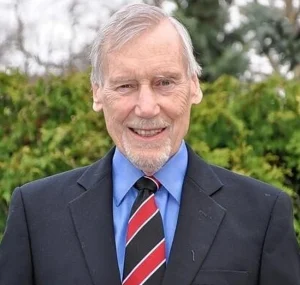
Monty Heald
Monty Heald
Few people in Canadian rugby history have given as much, for as long, as Monty Heald — a man whose journey from the pitches of England to the boardrooms of the Canadian Rugby Union spans more than six decades of devoted service.
Monty's rugby story began at the Royal Masonic School in England before he settled in at Derby RFC, where he played for 15 years — appearing in a club-record 107 consecutive first-grade matches and serving as club captain from 1965 to 1967. The discipline, commitment, and character those years instilled in him would define everything that followed.
After immigrating to Canada in 1968, Monty wasted no time making his mark. He captained the Hamilton Hornets before becoming a founding member and first captain of the Burlington Centaurs Rugby Club — a club he would go on to serve as President and for which he holds the distinction of Life Member.
His contributions to the national game were equally profound. Monty served as National Selector, Chair of the CRU Selection Committee, and Manager of both the Canadian Sevens and the National Team, before being elected President of the Canadian Rugby Union — a role he held from 1991 to 1999. Inducted into the Ontario Rugby Union Hall of Fame in 2004, he has never truly stepped away, remaining active in coaching and service to Rugby Canada to this day.
The Monty Heald Senior National Women's Fund, managed through the Foundation, honours a man who has given everything to this game and ensures his legacy continues to support the highest levels of Canadian women's rugby for generations to come.

Lt. Colonel W.D.C. Holmes
Lt. Colonel W.D.C. Holmes University Awards (For the Love of the Game Fund)
Lt. Colonel W.D.C. Holmes
Born and raised in Victoria, Holmes attended Brentwood College before riding his Indian motorcycle across Canada at 17 to enter the Royal Military College in Kingston, where he graduated as Senior Cadet and was awarded the Sword of Honour. He was commissioned into the Royal Engineers of the British Army and served with distinction in World War II in Africa, at the Anzio Beachhead, as a paratrooper at Arnhem, and across France and Germany. In Korea, he was described by an American battalion commander as "the bravest officer I ever met," and was awarded the Military Cross for holding a ridge under continuous attack to cover the withdrawal of two battalions. After retiring from military service he returned to his native Victoria, where he became a respected realtor, a sheep and chicken farmer, and a warm and generous host whose dinner table was legendary.
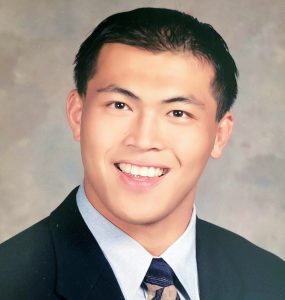
Dave Huang
Dave Huang
Known affectionately as "The Huang Express," Dave was a rugby player who graduated from Lord Byng High School in 1995 and represented British Columbia at the U-19 level. As team captain, he led the Lord Byng Grey Ghosts to a 5-2 record on their legendary Tour '95 to Australia — a trip that has become the stuff of legend among those who were there, both for the rugby and for the brotherhood it built.
Dave demonstrated excellence in all pursuits on and off the field, except, as his teammates would tell you, his post-match speeches — a detail that has become part of his enduring legend, a reminder that even the most accomplished among us have something to laugh about. Upon returning from Australia, his academic ability opened remarkable doors. Dave earned a full-ride academic scholarship to Princeton University, where he also captained the rugby team, balancing elite athletics with a rigorous academic course load in a way few manage. Graduating with honours, he went on to medical school at Columbia University in New York City, pursuing a career dedicated to caring for others. Tragically, Dave passed away in 2003.
The Dave Huang Memorial Award Fund was established in August 2024 to honour Dave's legacy of excellence and high achievement across rugby, academics, music, leadership, and community service. It is awarded annually to a graduating BC high school rugby player who demonstrates that same rare combination — someone who leads by example, gives back to their community, and pursues greatness in everything they take on.
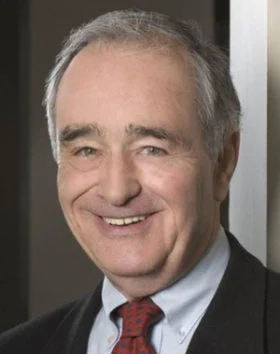
George Jones
George Jones was well known in both athletic and legal circles, and his résumé was lengthy and legendary, including appearances and successes at virtually every court level alongside decades of fundraising, coaching, and refereeing across many sports.
Victoria born, George was the son of an admiral who knew the value of discipline, and so it was that George was sent off to Brentwood College School, then located in Mill Bay. He spent just one year there before finishing the rest of his schooling at Lakefield in Ontario — Brentwood-schooled and Lakefield-finished, with the kind of background that tends to produce either admirals or lawyers. George chose law, attending law school at UBC, marrying early, and starting a family that would eventually grow to five children.
After graduation, a short career with Revenue Canada followed — though either Revenue Canada or George came to their senses, because what followed instead was fifty years defending individuals in Tax Court, bailing out rugby players from various situations, and billing clients, occasionally and sporadically, on what colleagues generously described as Robin Hood principles. Two more children followed, along with countless loyal and loving friends who came to define the George Jones orbit as much as any courtroom victory did.
Rugby held a special place among George's many passions. He showed up at virtually every level of the sport — as a player, coach, referee, and fundraiser — but his most lasting contribution came at the turn of the century, when the idea of a national foundation for Canadian rugby began to take shape. George was one of the people in the room making it happen, and he became a co-founder and first director of the Canadian Rugby Foundation, helping lay the very groundwork that today supports clubs, players, and programs from coast to coast.
In 2012, 300 of his closest friends gathered at the Empress Hotel in Victoria for a roast in his honour, raising $50,000 for the George Jones Scholarship in the process. That a man's roast could raise that kind of money for rugby says everything about how George Jones moved through the world: with humour, generosity, and an irrepressible commitment to the people and the game he loved.
Dr. John Jones
John Jones Memorial Award Fund
John Jones
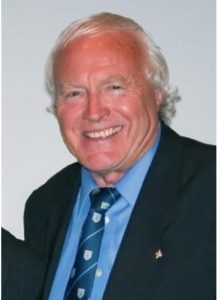
Dr. John (John-Anthony) Jones (1941–2010) was a teacher, coach and community rugby builder in the Montreal / Quebec rugby scene whose memory has been institutionalized through scholarships and events.
After a long career in education and rugby in the Montreal area, he became the namesake for the John Jones Memorial Education Fund (established 2010) which provides bursaries toward post-secondary education for rugby players in Quebec and signals the esteem in which he was held locally. Dr. John-Anthony Jones passed in 2010; local rugby organizations subsequently organized the John Jones Montreal Sevens and related fundraising efforts to benefit the scholarship fund bearing his name. The memorial scholarship, event pages and obituaries together portray Jones as a mentor who combined an academic career with decades of volunteer work, coaching and club support that left a lasting legacy in Quebec rugby pathways.
Paul 'Koby' Kobayashi
Paul Kobayashi
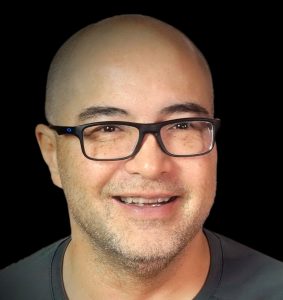
Paul was an athlete who excelled at any sport he played, but it was through rugby that he found a camaraderie like no other. A brotherhood.
Koby joined the Campion Grads in Regina at 17, and was fortunate to have an exceptional group of veteran players who mentored and developed him — both personally and as a player. Whenever Paul was going through dark and tough times in his life, it was his rugby brothers who stepped up and came through for him. That bond, that mutual loyalty, defined his relationship with the game throughout his life.
In his last few months, Paul reminisced fondly about his rugby days and the Grads. He shared many stories about his rugby brothers and had many laughs. He also talked about the opportunity he had to play for the Prairie Fire and travel to Halifax — and reflected on those days as some of the best times of his life.
As one of his former teammates put it: "He who sheds his blood with me, shall always be my brother."
The Paul 'Koby' Kobayashi Memorial Award Fund was created by Paul's family to honour his memory and his love of rugby, with awards recognizing leadership and providing support for elite players to compete at a higher level — giving future Regina players the same opportunities that meant so much to Koby, and the same chance to find their own brotherhood in the game.
Nick Mathers

Nick Mathers
Jack Patrick & Nick Mathers & Tillman Briggs Family Awards Fund (James Bay Athletic Association)
Nick Mathers
Nick Mathers, Jack Patrick and Tillman Briggs are honoured through the Jack Patrick, Nick Mathers & Tillman Briggs Family Awards Fund, which celebrates rugby players who demonstrate distinction in competition, leadership, and community contribution.
Nick’s passion for rugby was evident in his support for player pathways and the broader rugby community, helping to provide meaningful recognition and support for athletes as they progressed through school, club, and university rugby.
The family award fund continues to uphold the values they championed — leadership, sportsmanship, and contribution both on and off the field.

Donald 'Don' Whidden
Don Whidden Memorial Match Officials Fund
Donald “Don” Maclean Whidden (August 13, 1941 – February 3, 2014) was a volunteer leader, team manager and match-officials supporter whose work is memorialized in Canadian rugby circles. Obituaries (family notices) record Whidden’s passing in February 2014. Whidden served in a variety of operational roles for Canadian sides — he managed national team tours, worked with age-grade programs (including the U-23 Pacific Pride), and was active as a referee coach, citing commissioner and advocate for match officials’ development.
In recognition of his longstanding service, the Canadian Rugby Foundation (CRF) established the Don Whidden Memorial Match Officials Fund to support refereeing and match-officials development across Canada. Local rugby unions (Alberta) and CRF materials remember Whidden as a practical, hands-on administrator and mentor who cared about the everyday functions that let teams travel and perform.
Gerald McGavin
Gerald McGavin Coaching Award Fund
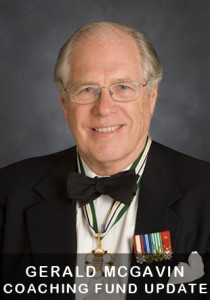
Gerald McGavin is recognised for his significant contribution to the coaching community in Canadian rugby, honoured through the Gerald McGavin Coaching Award managed by the BC Rugby Union and supported by the Canadian Rugby Foundation. This award celebrates coaches whose leadership, teaching, and mentorship have made lasting impacts on players and programs throughout British Columbia and Canada.
Gerald’s influence was marked by his unwavering belief in the power of coaching to shape athlete character, performance, and lifelong engagement with the sport. His dedication to coach development helped raise standards across club, university, and community levels.
The coaching award in his honour continues to recognize outstanding coaches who carry forward Gerald’s passion for mentorship, strategic insight, and support of rugby’s grassroots growth.
Dr. Benvon Parfrey
Jack Patrick
Jack Patrick & Nick Mathers & Tillman Briggs Family Awards Fund (James Bay Athletic Association)
Jack Patrick’s legacy is tied to supporting players who embody the spirit and values of Canadian rugby. A committed supporter of rugby’s growth, Jack encouraged athlete development and fostered opportunities for young players to excel across multiple dimensions of their lives — from competition to leadership and service.
Judy Seddon
Judy Seddon Memorial Award
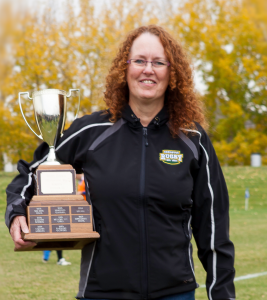
Judy Seddon (dates in public notices: 1946–2019) is remembered by the Alberta rugby community as a tireless volunteer, mentor and supporter for over 35 years. Local rugby union posts and the Canadian Rugby Foundation document her decades of service and note a scholarship/award in her name — the Judy Seddon Memorial Scholarship — that recognizes her advocacy for players, families and community engagement. Social posts from provincial unions and local funeral/legacy notices emphasize Seddon’s role as a “rugby mom,” mentor and organizer who helped coordinate teams, fundraise and sustain club culture across generations. While there is less national press coverage compared with some national administrators, the combination of provincial rugby posts, CRF scholarship pages and legacy notices paints a consistent portrait of a community volunteer whose impact was felt at club and provincial levels.

Courtenay Taaffe
Courtenay Taaffe was vibrant, determined, talented and dedicated — with endless energy and enthusiasm for her passions in life, one of which was the sport of rugby. She played hooker and flanker for UVic, James Bay, Crimson Tide and Team BC, building a playing résumé that spanned the club, university, and representative levels of the women's game on Vancouver Island.
Her commitment to rugby extended well beyond her own playing career into coaching, where she shaped the next generation through her work with the JBAA junior women, the Vancouver Island Crimson Tide junior women, the Vancouver Island Japan Club team, and the Stelly's Secondary Queen Bees. That dual identity, as both a fierce competitor and a generous mentor, set a precedent for hard work and accomplishment in the sport of women's rugby on the Island, at a time when the women's game needed exactly that kind of visible, all-in leadership. Courtenay passed away at the age of 29 of a rare and aggressive lymphoma, a loss that was felt deeply across the Vancouver Island rugby community she had given so much to.
In her memory, the Taaffe family and the Charlton L. Smith Foundation established the Courtenay Taaffe Memorial Award in 2005, presented annually to a female rugby athlete on Vancouver Island who combines on-field excellence with strong academics and community service, the same combination of qualities Courtenay embodied throughout her own life. Two decades on, it remains one of the Foundation's most beloved awards, a fitting and lasting tribute to a woman who showed everyone around her exactly what the game can give, and what it can inspire in return.

Larry Thibodeau
Courtney Walls
Courtney Walls played rugby with the Vikes from 1983 to 1987 and was Some people leave a mark on a sport not through titles or trophies, but through the kind of person they are — and Courtney was exactly that kind of person.
Courtney Walls played rugby with the UVic Vikings from 1983 to 1987 and was originally from Courtney, BC. He was a wonderful player and beloved by his teammates. He was an outstanding member of the University Rugby Team for many years and was a graduate of the Writing program.
A talented rugby player, Courtney was the Team Captain of one of the strongest rugby teams that Okanagan Mission Secondary had ever fielded. He was the first one in to every ruck but could break free into the open field with deceptive ease, and he made every team he played for better with his leadership.
Courtney was also unique socially — everyone's best friend, with loyal friends from all walks of life, from high school to his profession, and he was loyal to every one of them.
He died tragically in Victoria in 1997, an innocent victim of crime, leaving behind his wife Michelle and his yet to be born child Taylor.
His memory lives on through two awards established in his name — one at UVic and one through the Foundation's CORE fund in the Okanagan — ensuring that future generations of rugby players are inspired by the qualities he embodied: academic excellence, leadership, and a genuine love of the game.

Kevin ‘Lunk’ Wirachowski
Kevin ‘Lunk’ Wirachowski Award Fund
Kevin “Lunk” Wirachowski is honoured for his longstanding commitment to rugby in Canada, remembered through the Kevin ‘Lunk’ Wirachowski Award Fund established to recognize and support players who embody passion, perseverance, and leadership in the sport. His dedication helped inspire a generation of athletes and volunteers whose service strengthened rugby at the grassroots and university levels.
Throughout his involvement in the rugby community, Kevin was known for fostering team spirit, mentoring younger players, and advocating for the values that make rugby a lifelong pursuit. His influence stretched beyond the pitch into club culture, where his energy and encouragement helped clubs thrive across British Columbia and beyond.
The award in his name continues to highlight emerging rugby talent and leadership, ensuring Kevin’s spirit of commitment and camaraderie lives on through the players and volunteers who receive it each year.

Bill Webb
Bill Webb was born in Toronto in 1963, educated at Laurier and Gill, built a successful finance career, and never lost his passion for rugby. He was deeply engaged in Canadian rugby both as a player and, most significantly, as a builder/administrator. He passed away in August 2023 at age 59, leaving behind his wife Agnes and two sons. His legacy continues through scholarship and fund programmes, and the institutions he helped shape will carry his name and influence forward.
He was pivotal in bringing a professional rugby franchise (Toronto Arrows) to Canada, helping create a pathway for Canadian players and elevating the domestic game. He also served as a Director on the national governing body Rugby Canada board from 2016 to 2022.
At university level he played for the Laurier Golden Hawks. He became club president and captain when their rugby club became varsity status in the early 1980s. He also played club for the Brantford Harlequins, and earlier at Brantford Collegiate Institute.
Off the pitch he was deeply committed to building the rugby community. He co-chaired the capital campaign for the Al Charron National Training Centre in Langford, B.C. He was a member of the board of the Canadian Rugby Foundation and served on its Investment Committee. He also served as an advisor to the Toronto Inner‑City Rugby Foundation (TIRF) Captain’s Council, supporting access and equity in rugby. In 2024 He was inducted into the Rugby Ontario Hall of Fame as a “Builder” for his contributions to rugby in Ontario and across Canada.
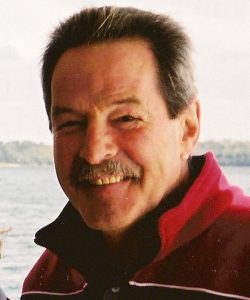
Don Whidden
Born August 13, 1941, Don dedicated decades of his life to the operational backbone of Canadian rugby — the unglamorous, essential work that lets teams travel, players compete, and matches run fairly. He managed national team tours, ensuring that Canadian sides arrived prepared and supported on the international stage. He worked closely with age-grade programs, including the U-23 Pacific Pride, helping shape the next generation of national team players. And throughout his career, he remained deeply committed to the development of match officials — serving as a referee coach, citing commissioner, and tireless advocate for the men and women who keep the game honest.
Those who worked alongside Don remember him as a practical, hands-on administrator — someone who cared less about recognition and more about whether the bus arrived on time, the kits were packed, and the officials had what they needed to do their jobs well. It was that same instinct for the everyday functions of the game that defined his entire approach to rugby administration.
Don Whidden passed away on February 3, 2014, at the age of 72. In recognition of his longstanding service, the Canadian Rugby Foundation established the Don Whidden Memorial Match Officials Fund to support refereeing and match officials' development across the country — ensuring that the next generation of Canadian referees has the same kind of support that Don gave so generously throughout his life.
